
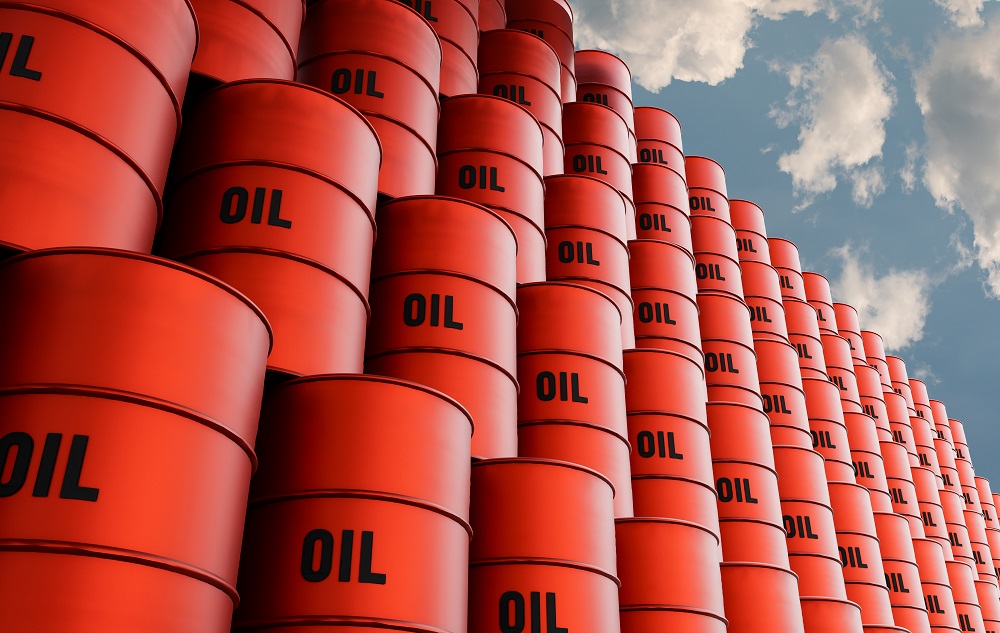

Global oil prices have returned close to levels seen before the conflict between Iran and the United States after the two countries reached a temporary agreement aimed at reducing tensions and restoring stability in the energy market. The decline has brought relief to international markets that had been worried about possible disruptions to global oil supplies.
On This June 25, 2026, crude oil prices fell to around $72.48 per barrel, marking one of the biggest declines since the conflict began. The drop followed the announcement of a 60-day agreement between the United States and Iran on June 17, which helped calm fears over the future of oil transportation through the Middle East.
During the conflict, oil markets experienced major pressure after Iran restricted movement through the Strait of Hormuz, one of the world’s most important energy routes. The waterway is responsible for transporting a significant share of global oil and gas supplies, meaning any disruption can quickly affect fuel prices worldwide.
The uncertainty around the Strait of Hormuz pushed crude oil prices above $120 per barrel during the height of tensions, increasing transportation and fuel costs in many countries. Businesses and consumers faced higher energy expenses as markets reacted to fears of shortages.
Following the agreement between Washington and Tehran, shipping activity through the Strait of Hormuz started improving. Data from shipping analysis companies showed that more vessels carrying oil, gas, and other products began using the route again, reducing concerns about supply interruptions.
The return of tanker movements has been one of the main reasons behind the fall in oil prices. International markets reacted positively because increased shipping activity means more stable supplies and lower risks for energy companies. Reuters reported that oil prices moved closer to pre-conflict levels as tankers resumed movement through the strategic waterway.
The impact has also been visible for fuel consumers. In the United States, gasoline prices have started declining as wholesale oil prices fell, although experts warn that changes at global oil markets do not always immediately appear at fuel stations because of transportation costs, refining processes, and market adjustments.
However, analysts say the situation remains sensitive. Although the agreement has reduced immediate fears, tensions in the region could still affect prices if the deal fails or shipping security problems return. The International Monetary Fund has also warned that while energy prices are falling, full normalization of trade and supply chains may take time.



No comments yet. Be the first to comment!