

Three new studies have revealed that Zipline's autonomous logistics network is delivering measurable results across Africa, extending far beyond the public health sector for which the company is best known. The findings show significant improvements in child health outcomes, agricultural productivity, and local economic development in communities served by Zipline's drone-powered delivery infrastructure.
According to the research, Zipline's operations have contributed to a 22% reduction in child fatalities linked to severe acute malnutrition, generated a 68% return on investment for smallholder pig farmers, and increased annual household income by between $850 and $1,200 in communities located near Zipline distribution hubs.
“This research shows what communities and governments across Africa have seen firsthand: when essential supplies reliably reach the people who need them, outcomes change,” said Caitlin Burton, CEO for Africa and Emerging Markets at Zipline. “Zipline began by improving access to critical health supplies. Today, the same infrastructure is strengthening nutrition systems, agricultural productivity and local economies.”
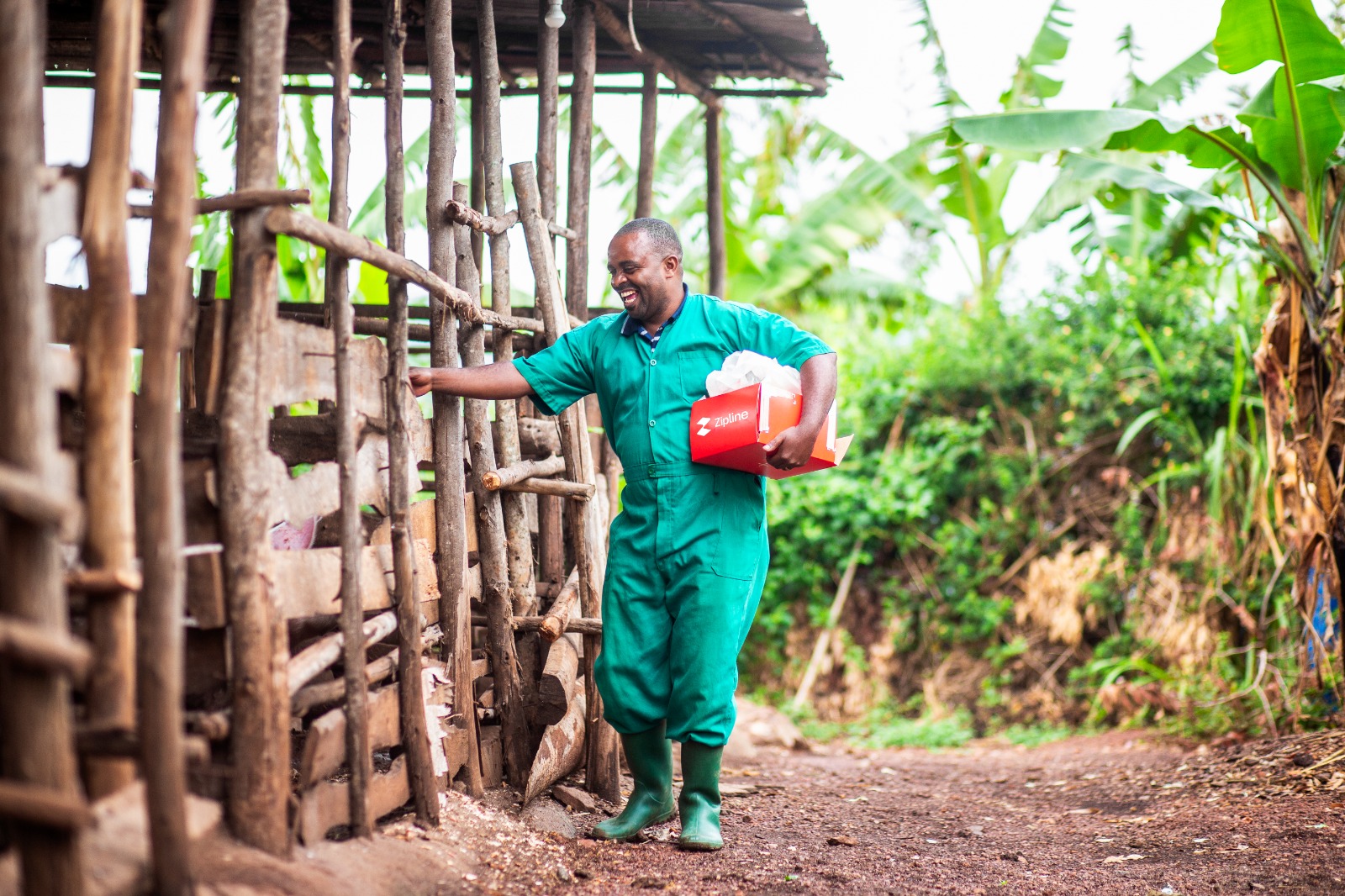
One peer-reviewed study published in Frontiers in Veterinary Science examined the impact of Zipline's aerial logistics model on pig farming in Rwanda. The program combined drone-delivered pig semen with localized training for community animal health workers across eight rural districts.
Researchers found that 17% of the increase in farmers' income was directly attributable to Zipline. The initiative generated nearly $129,000 more in direct farmer income than it cost to implement, representing a 68% return on investment. Artificial insemination success rates also increased from 48.8% to 74.8% after drone logistics were introduced.
A separate study focused on the delivery of ready-to-use therapeutic food (RUTF) for children suffering from severe acute malnutrition in Rwanda. Researchers compared 299 health facilities over a five-year period and found that in-hospital childhood deaths from severe malnutrition fell by 22% in Zipline-served facilities.
Severe acute malnutrition cases also declined across all age groups, while severe anemia cases among children aged two to 59 months dropped by 46%. Although malnutrition-related hospitalizations increased by 21%, deaths did not rise, suggesting that more children were being identified early, referred sooner, and successfully treated.
“The protocol for treating malnutrition has not changed. What changed was whether supplies were there when clinicians needed them. That is the variable these studies are measuring – and the results are unambiguous,” said Pedro Kremer, Head of Impact and Research at Zipline.
The third study examined the broader economic impact of Zipline's GH3 distribution hub in northern Ghana. Researchers combined household surveys with satellite analysis of nighttime light intensity, a recognized indicator of economic activity. The findings showed that households within two kilometers of the hub gained between $850 and $1,200 in additional annual income. Access to liquid assets and drinking water was also significantly higher in communities closest to the hub, while satellite data showed stronger economic activity compared to 82 similar locations across Ghana.
The results suggest that Zipline's distribution infrastructure is associated not only with improved access to essential health products but also with wider economic growth and development in the communities surrounding its operations.


No comments yet. Be the first to comment!