
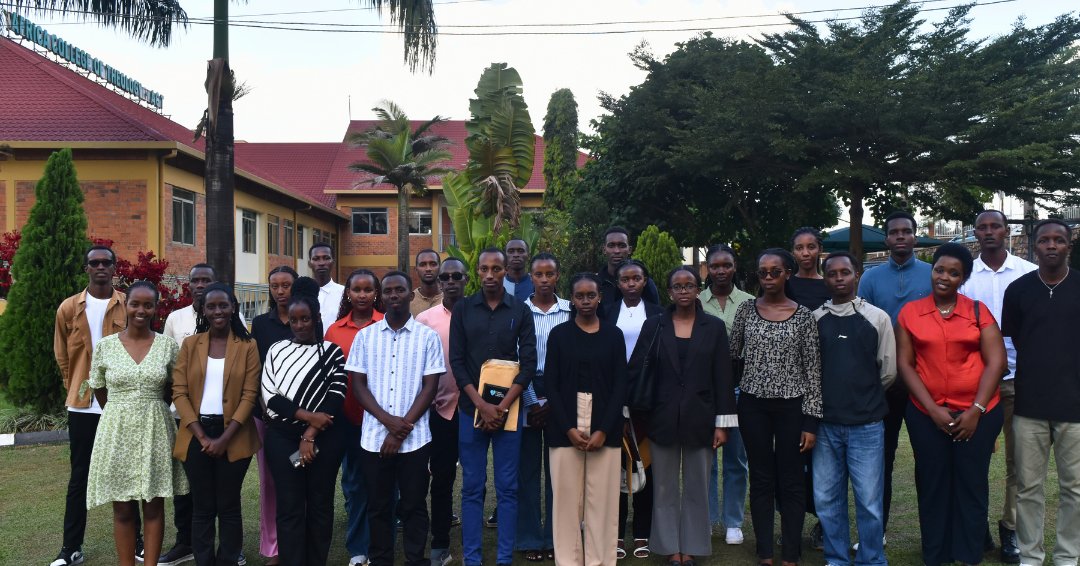

These Numbers Have Faces, a Rwanda-based nonprofit organization focused on higher education and leadership development, is becoming part of a broader movement seeking to transform opportunities for young people across Africa. Through a model that combines university support, leadership training, and community engagement, the organization is working to help students move beyond academic achievement and become active contributors to social and economic development.
At a time when many African countries continue expanding access to education, challenges related to affordability, employability, and leadership preparation remain part of the conversation. For many talented students, gaining admission to university is only one step; accessing resources, mentorship, and professional development often determines whether that opportunity leads to long-term success. It is within this space that These Numbers Have Faces has positioned its work.
Founded in 2008, the organization operates primarily in Rwanda and supports students from countries including Rwanda, Burundi, and the Democratic Republic of the Congo. Its approach is built around the belief that statistics about education and development should never overshadow the individuals behind them. According to the organization, investing in people creates stronger communities and more sustainable growth.
Education support remains one of the organization’s central priorities. Through its university-focused initiatives, These Numbers Have Faces works to reduce barriers that prevent capable students from continuing into higher education. Support may include assistance connected to academic costs and access to opportunities that help students remain focused on completing their studies.
Unlike traditional scholarship models that focus mainly on financial assistance, These Numbers Have Faces integrates leadership development into its programs. Students participate in workshops and training sessions covering communication, entrepreneurship, ethical leadership, professional readiness, and personal growth. The objective is not only to support graduation but also to prepare students to lead in workplaces, businesses, and local communities.
The organization also places strong emphasis on practical impact outside the classroom. Students are encouraged to participate in community-based initiatives that allow them to apply their knowledge while addressing local challenges. Through these experiences, leadership becomes something practiced rather than studied.
This approach reflects a growing shift in conversations about African education. Increasingly, educators and development organizations are emphasizing that quality education should produce more than degree holders; it should prepare young people to solve problems, create opportunities, and contribute to society.
Supporters of youth-centered education initiatives argue that empowering one student can create wider benefits across families and communities. Leadership development, mentorship, and access to education are increasingly viewed as interconnected rather than separate goals.
According to publicly available information from These Numbers Have Faces, the organization has supported more than 500 university students to date and has raised and invested more than US$10 million toward education, leadership development, and student success initiatives. These figures reflect the scale of its long-term commitment to expanding opportunities for young people across the region.


No comments yet. Be the first to comment!