
As we mark Africa Day 2026, we, the Global Alliance for Incinerator Alternatives (GAIA) and Break Free From Plastic (BFFP) Africa, are reiterating our urgent call to strengthen the continent's fight against waste colonialism.
We call for an end to waste colonialism - the practice of exporting waste from high-income nations to lower-income countries that are often ill-equipped to manage it safely — a system that perpetuates environmental racism and places disproportionate harm on vulnerable communities.
We are witnessing our environments, our communities, and our informal waste workers being forced to shoulder a burden that is not theirs. Although this waste is often shipped to us under the guise of "recycling," we know the reality: only 9% of plastic produced since the 1950s has ever been recycled. Instead, countries including the United States, Italy, Germany, and Greece continue to export hazardous waste—including e-waste, plastic waste, and textile waste—to African nations.
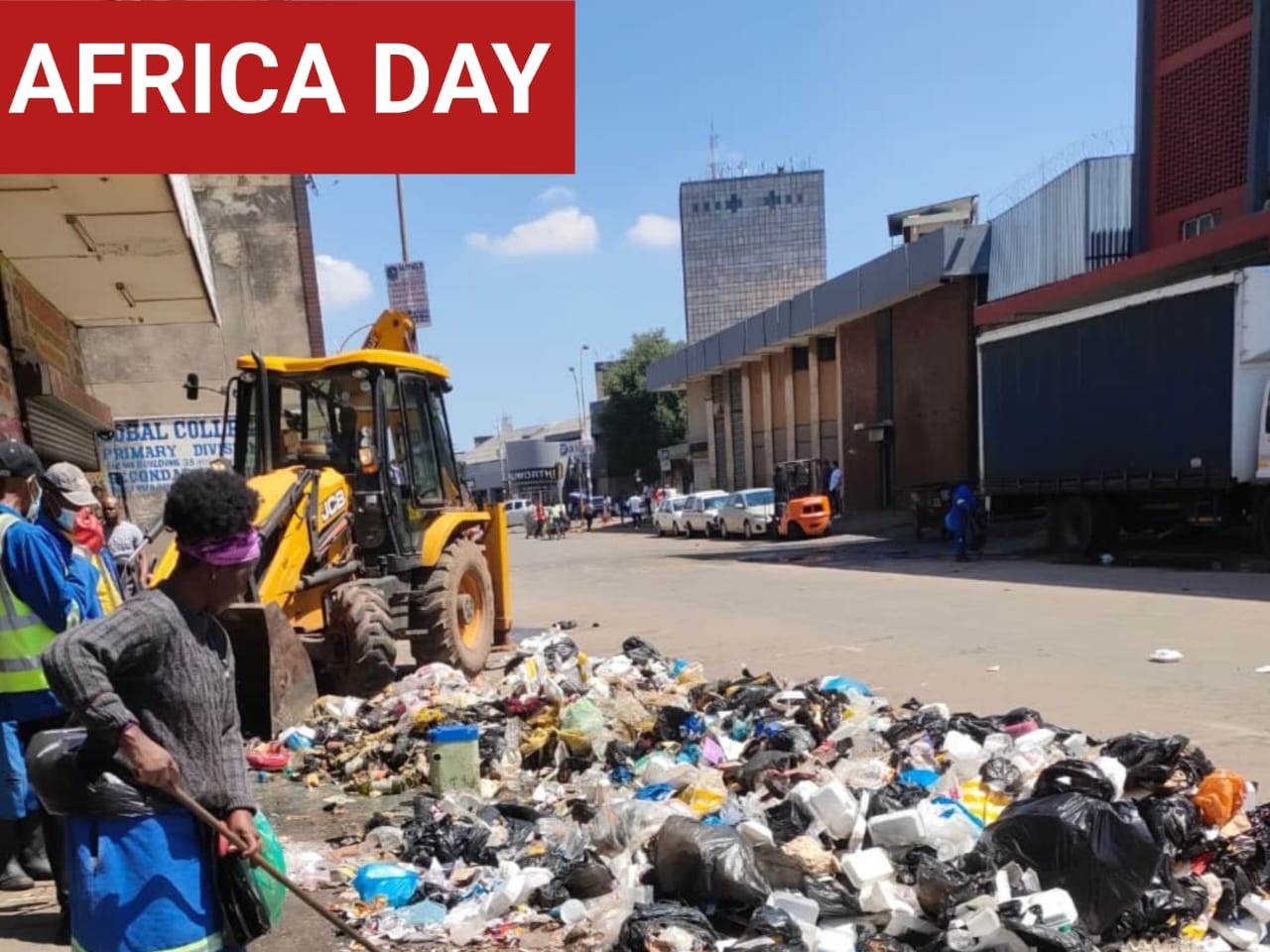
We are deeply concerned about the situation in hotspots such as Accra, Nairobi, and Lagos. We see massive dumps filled with illegal imports—toxic electronics, hazardous plastics, second-hand clothing in the form of textile waste and even chemical waste.
We are outraged that the relentless pursuit of cheap resource extraction by Global North countries is inflicting severe health and environmental harm across the African continent.
Most tragically, children are working in toxic waste dumps, exposed to chemicals and pollution with devastating health impacts, because wealthy nations continue to benefit from global systemic inequality.
Gilbert Kuepouo, Executive Director of the Centre de Recherche et d’éducation pour le Développement (CREPD), said that amid the uncertainties and setbacks on many environmental issues, Africa is struggling with a silent handicap.
“35 years after its adoption, the Bamako Convention counts only 30 ratifications (55.5% of the countries of the African Union) and only 3 COPs organized, i.e. about 01 COP every 12 years! A paradox for a region that deliberately designed this instrument to protect itself and its people against waste colonialism.”
While the Bamako Convention provides stronger regional protections than the Basel Convention in prohibiting the import of hazardous waste into Africa, we recognise that enforcement and political will across the continent remain inadequate. It is therefore imperative that all African nations exercise their collective sovereign rights to ratify and fully implement the Bamako Convention, and to take a united stand against the continued dumping of waste from the Global North.
Hellen Dena, project lead for the Pan-African Plastic project at Greenpeace Africa, expresses concerns about the devastating impact of waste colonialism. From toxic chemicals and massive carbon footprints to worker exploitation, the damage is widespread. To fix this, she said, ‘’we need stronger laws—like extended producer responsibility (EPR) and stricter supply chain regulations—to ensure brands are held accountable, from production to disposal."
"New EU landmark rules on plastic waste shipments must be strongly enforced to ensure EU plastic waste exports to African countries are not only prohibited on paper, but stopped in reality, together with their harmful impacts,’’ explained Justine Maillot, EU plastics policy expert, with the Environmental Investigation Agency (EIA)
We call on African governments to strengthen the implementation of the Bamako Convention to end illegal imports. Western manufacturers must find sustainable solutions for their waste rather than externalising environmental costs to the Global South.
Jim Puckett, Executive Director and Founder of Basel Action Network (BAN), also calls for stronger advocacy. According to Jim, “Africa has led the way in saying no to waste trade. It's time to lead in saying no to plastic."
Sirine Rached, Global Policy Advisor at GAIA, advised ‘’plastic waste prevention - which begins with addressing plastic overproduction - is critical. It is a gap under the Basel Convention, and one which the future global plastic treaty must absolutely cover."
On this Africa Day, we call for a future underpinned by environmental justice and the absolute protection of our planet and people. Africa’s future generations must not be left to pay the price for the world's waste - Africa is not a dumping ground!
No comments yet. Be the first to comment!