
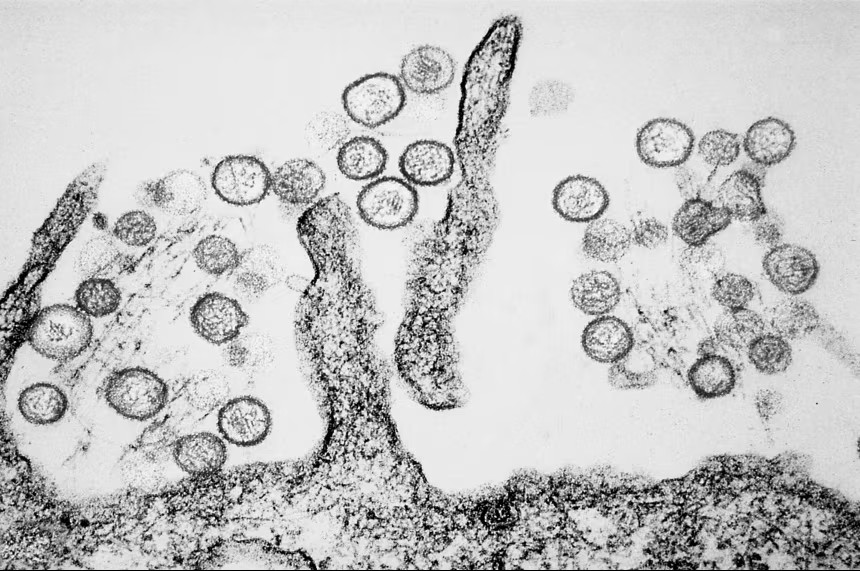

Health authorities are investigating a suspected hantavirus outbreak after several passengers aboard a cruise ship traveling across the Atlantic developed severe illness, with reports of deaths and additional suspected infections.
The situation has drawn attention from international health agencies, including the World Health Organization (WHO), which has confirmed a small number of laboratory-verified cases while further testing continues on other suspected patients. The affected vessel was reportedly traveling from Argentina toward Cape Verde when passengers began showing symptoms.
What hantavirus is and why it matters
Hantavirus is a group of viruses carried mainly by rodents and transmitted to humans through contact with infected animals or contaminated environments. Infection most commonly occurs when people inhale airborne particles from dried rodent urine, droppings, or saliva that have been disturbed.
It can also spread through touching contaminated surfaces and then touching the face, although this is less common. Rodent bites are a rare route of transmission. Most hantavirus strains do not spread from person to person, though limited cases have been observed with certain strains in South America.
How the illness develops
The infection often begins with flu-like symptoms such as fever, fatigue, muscle pain, chills, headaches, and nausea. In more severe cases, the disease can progress rapidly and affect major organs, particularly the lungs and kidneys, depending on the strain. In the Americas, hantavirus may lead to Hantavirus Pulmonary Syndrome, a serious respiratory condition in which fluid builds up in the lungs and breathing becomes difficult.
In other regions, related strains can cause Hemorrhagic Fever with Renal Syndrome, which affects kidney function and can lead to internal bleeding or organ failure. Symptoms may appear between one and eight weeks after exposure.
Till now, There is currently no targeted antiviral cure for hantavirus. Treatment focuses on supportive care, including oxygen therapy, fluid management, and intensive monitoring for severe cases. Because medical options are limited once infection develops, prevention remains the most effective approach.
Health authorities advise avoiding contact with rodents, sealing entry points in homes and buildings, storing food securely, and using disinfectants when cleaning potentially contaminated areas rather than sweeping or vacuuming dry waste, which can release infectious particles into the air.
No comments yet. Be the first to comment!